BPH
Bees Plant Hub Krithika Nakshatra Trees (Israel Fig / Anjeer / Athi pazham Live Plant )
Bees Plant Hub Krithika Nakshatra Trees (Israel Fig / Anjeer / Athi pazham Live Plant )
Couldn't load pickup availability
Bring home a powerful blend of spiritual significance, nutrition, and natural beauty with the Krittika Nakshatra Tree – Israel Fig (Anjeer), botanically known as Ficus carica. In Vedic astrology, this sacred tree is associated with the Krittika Nakshatra and is believed to attract prosperity, growth, and positive energy.
The Israel Fig is a premium variety known for its sweet, nutritious fruits and easy adaptability to Indian climates. This plant is perfect for those who want a fruit-bearing tree with both spiritual and health benefits.
| Type | Fruit plant |
| Fragrance | No |
| Botanical Name | Ficus carica |
| Common Name | Fig, Anjeer, Athi Pazham |
| Plant Type | Fruit & Medicinal Tree |
| Growth Habit | Medium to large tree |
| Light requirement | 70% indirect sunlight ideally |
| Plant Stage | Healthy live sapling |
| Watering |
Moderate watering; allow soil to dry slightly between watering |
Why Grow This Anjeer Plant?
Naturally Sweet & Nutrient-Dense Fruit
Each fig is packed with fibre, calcium, potassium, and antioxidants—great for digestion, heart health, and bone strength.
Fast Growing & Grafted for Better Yield
This grafted fig plant grows quickly, gives fruits faster, and suits Indian weather well, making it easy to get a good harvest at home.
Long Lifespan
This is a perennial plant, offering years of fruit and shade with minimal care.
Plant Features – Israel Fig / Anjeer / Athi Pazham
Fruit – Sweet, Nutritious & Unique
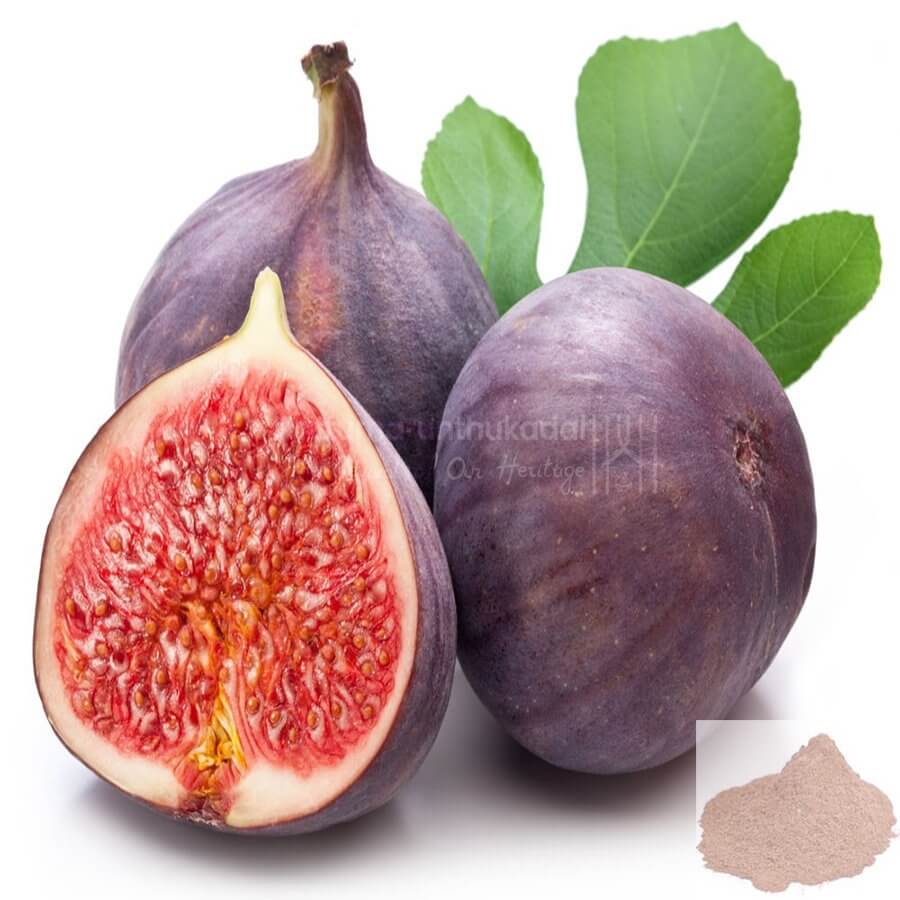
The Israel fig fruit is soft, sweet, and filled with tiny crunchy seeds. Ripe figs are tear-shaped, about 3–5 cm in size, and change from green to purple or brown when ready. Inside, the reddish-pink flesh is rich in fiber, vitamins A, C, and K, and minerals like calcium and potassium. You can eat them fresh, dried, or use them in jams, snacks, and desserts.
Leaf – Large, Fragrant & Lush
The fig plant has large, dark green leaves with 3 to 5 lobes. These leaves are leathery, grow up to 45 cm long, and have a wavy edge. When crushed, they release a pleasant smell like coconut, vanilla, and green walnut. Apart from their beauty, fig leaves are known in traditional medicine for helping manage cholesterol and blood sugar.
Flower – Hidden Beauty
The fig flower is not seen outside—it grows inside the fruit structure known as the syconium. These tiny internal flowers develop into seeds and pulp after pollination. Though hidden, they are important for making the delicious fig fruit. In fact, the fig is actually an upside-down flower, which makes it a unique plant in nature.
Plant Growth & Habit
This is a deciduous shrub or small tree that grows with a wide, rounded shape. In the ground, it can reach up to 10–12 feet in height, and in pots, about 6–8 feet. The plant grows well in pots, grow bags, or directly in the garden—ideal for terraces, balconies, or backyard gardens.
Plant Care Guide
Sunlight
Fig trees love the sun! To grow healthy and produce plenty of sweet anjeer fruits, make sure your fig plant gets at least 5 to 6 hours of direct sunlight every day. It thrives best in full sun but can also manage partial shade. A sunny balcony, terrace, or open garden space is ideal. Without enough sunlight, the plant may grow slowly and produce fewer or less sweet fruits.
Temperature
Perfectly suited for Indian climates, fig trees grow well in temperatures between 15°C to 35°C. They can handle warm weather, but when temperatures exceed 40°C, fruit quality may reduce. In cooler regions, mature fig plants tolerate mild frost (down to 4°C), while young plants require protection.
Soil
Figs thrive in well-drained, slightly acidic to neutral soil (pH 6–7) enriched with organic matter such as compost or cow dung. The ideal soil type is loamy or clay-loam, which retains moisture without becoming soggy. Proper drainage is essential, as waterlogged soil can cause root rot. For pot cultivation, use a nutrient-rich potting soil to support healthy growth.
Shipping policy
Shipping policy
Order Processing & Handling Time:
* Non-Plant Items: Orders placed before 9:00 AM IST are processed and shipped the same business day. Orders placed after 9:00 AM IST will be shipped within 24 hours (excluding Sundays).
* Live Plants: To ensure maximum plant health during transit, live plants require 2 to 3 business days of specialized handling and packing before dispatch.
Shipping & Delivery:
* Enjoy Free Shipping on all live plant products across India.
* All orders are dispatched via reliable partners like DTDC, Delhivery, or India Post. Estimated transit delivery time is 4 to 5 business days after leaving our facility.
Transit Damage Guarantee:
* Your satisfaction is our priority. If any plants are damaged during transit, we will provide a free replacement. Please reach out to our customer support team with photos of the damaged items within 24 hours of delivery.
Share